Walking Home

3,025 Kilometres. 90 Days. Cape Reinga To Bluff. Walk The Length Of New Zealand, On Foot, But Not For The Distance…
The lilo adventure was about breaking my own patterns. The waterslide was about doing the impossible thing to change perceptions.
This one was about connection. To myself, to the land, and to each other. And I did not properly understand what that word meant until day five, in a pie shop, in the rain, after failing to walk anywhere at all.
The Argument
New Zealanders were getting lonelier and it was showing up in the numbers. Stats NZ had poor mental wellbeing rising from 22 percent in 2018 to 28 percent in 2021. Three straight years of decline.
We had spent a decade getting better at talking about mental health and had somehow got worse at the thing that actually protects it, which is other people.
We text instead of visiting. We follow instead of knowing. We have never been more contactable or less connected.
So I set out to walk the length of the country to demonstrate something that cannot be demonstrated from a stage: that if you make yourself slow, visible and available, people turn up.
The Pie Shop
Four days in, a storm shut the trail. A flash flood had turned an ankle-deep stream into a 1.5 metre torrent. It was already my third option; the first two routes had been destroyed by earlier storms and closed by DOC. State Highway 1 was impassable too.
So the choice was to wait up to a week in a very small town, or hitch around and miss 55km of forest. I picked the hitch. I am impatient and I had a country to get through.
I stood at a perfect hitching spot. Clear sightline, generous pull-over, junction of two highways. Forty cars went past in ten minutes.
Then a voice in my head said: go to the bakery.
I do not eat breakfast. I was not hungry. I was on the side of a highway. I went to the bakery.
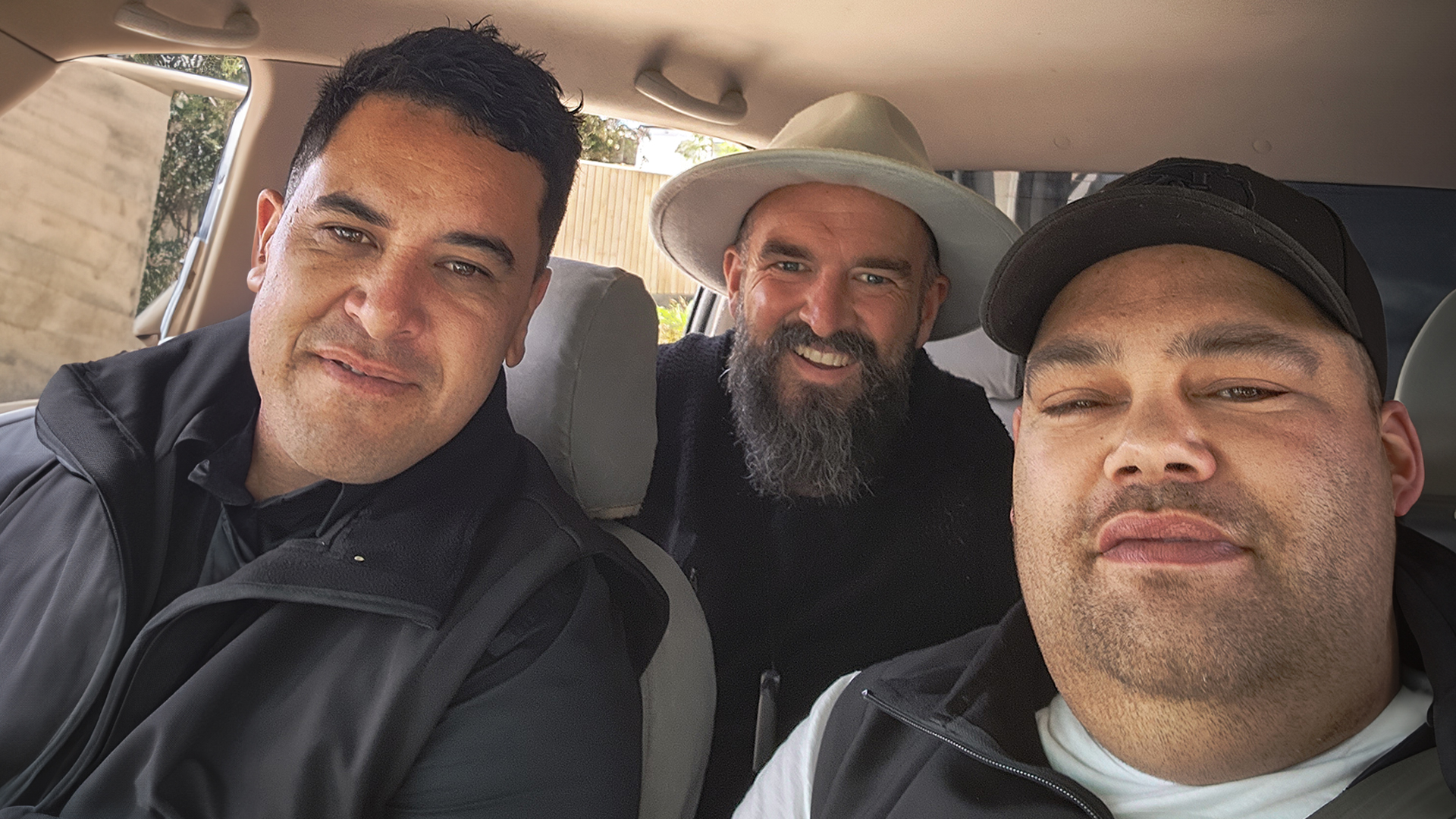
Inside were two large and mildly intimidating men, one of whom immediately demanded to know what my satellite communicator was. We talked. I explained I needed to get to Kerikeri. He smiled in a way that lit up the entire room and said, “Then you’re coming with us.”
They were environmental officers for the local iwi, on their way to meet the Minister for Aquaculture. We talked about mental health, indigenous versus coloniser, and how much of modern life is quietly making us sick.
Then one of them said: “The word ‘Aroha’. You think it means love.”
Yes. Obviously. We all know that. I was fairly confident on this one.
“Not quite. Break it into its roots. ‘Aro’ means to pay attention to something. ‘Ha’ is the breath of life. Aroha for yourself means paying attention to your utmost being. Aroha for someone else means paying attention to theirs.”
I sat in the back seat quietly overwhelmed.
Aroha is not love, or not only love. Aroha is connection. Attention paid to another person’s whole being. Presence.
I had been unhappy about being pushed off my route. Then I was dropped at the side of a road, exactly where I needed to be, having learned the actual meaning of the thing I had walked out there to talk about. From two strangers. In a pie shop I did not want to be at.
Sometimes the detour is the path.
90 days
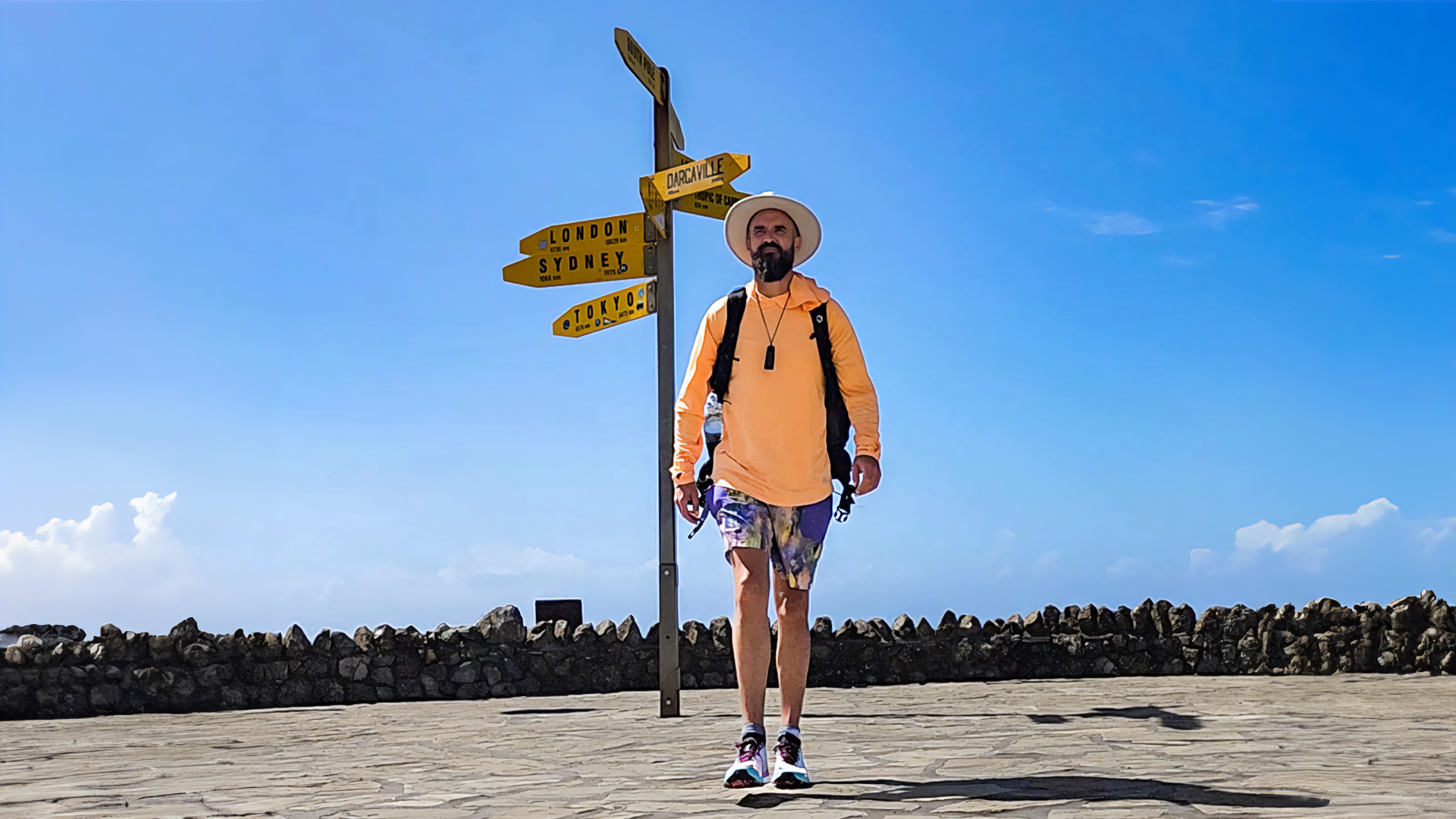
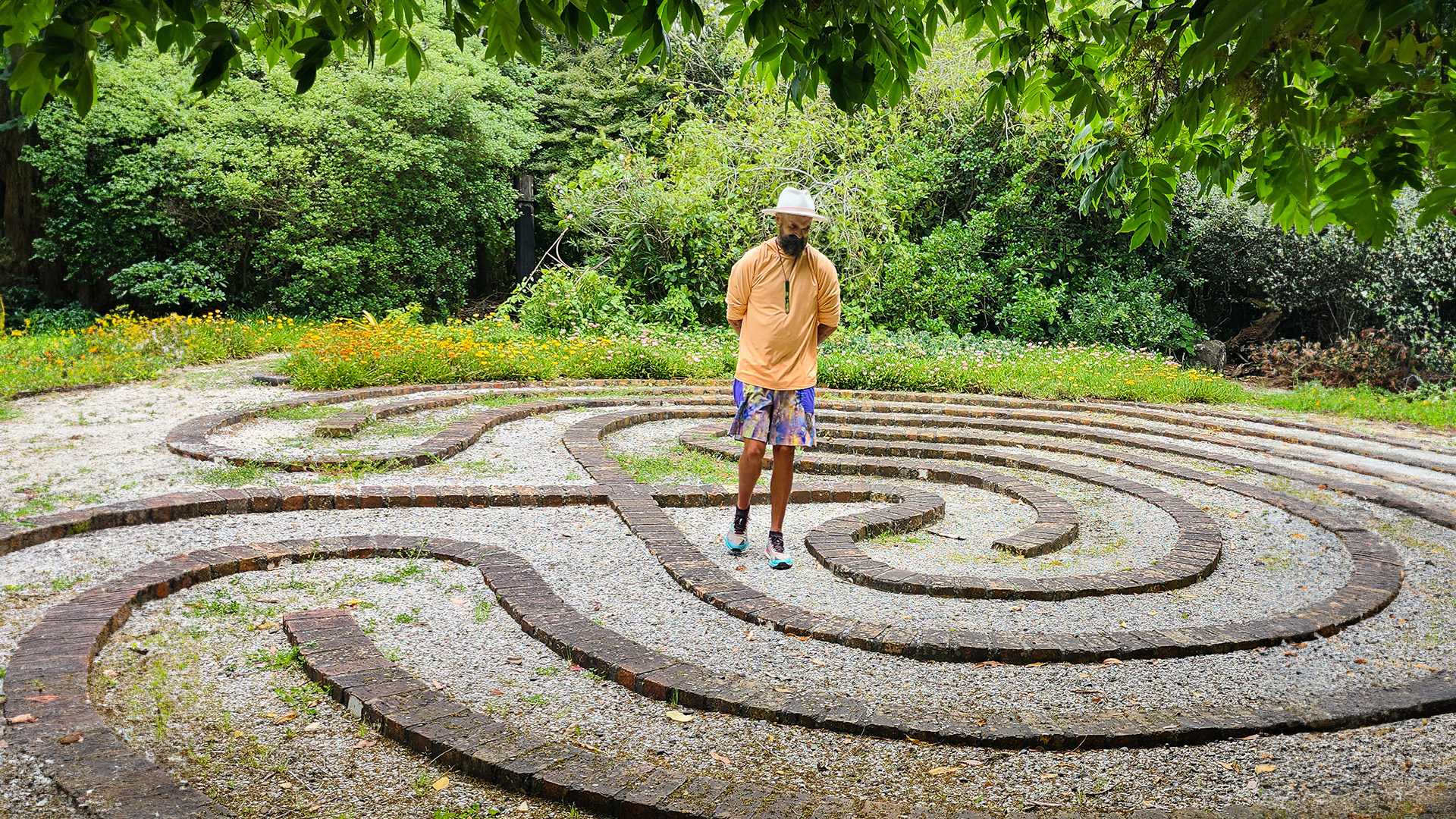
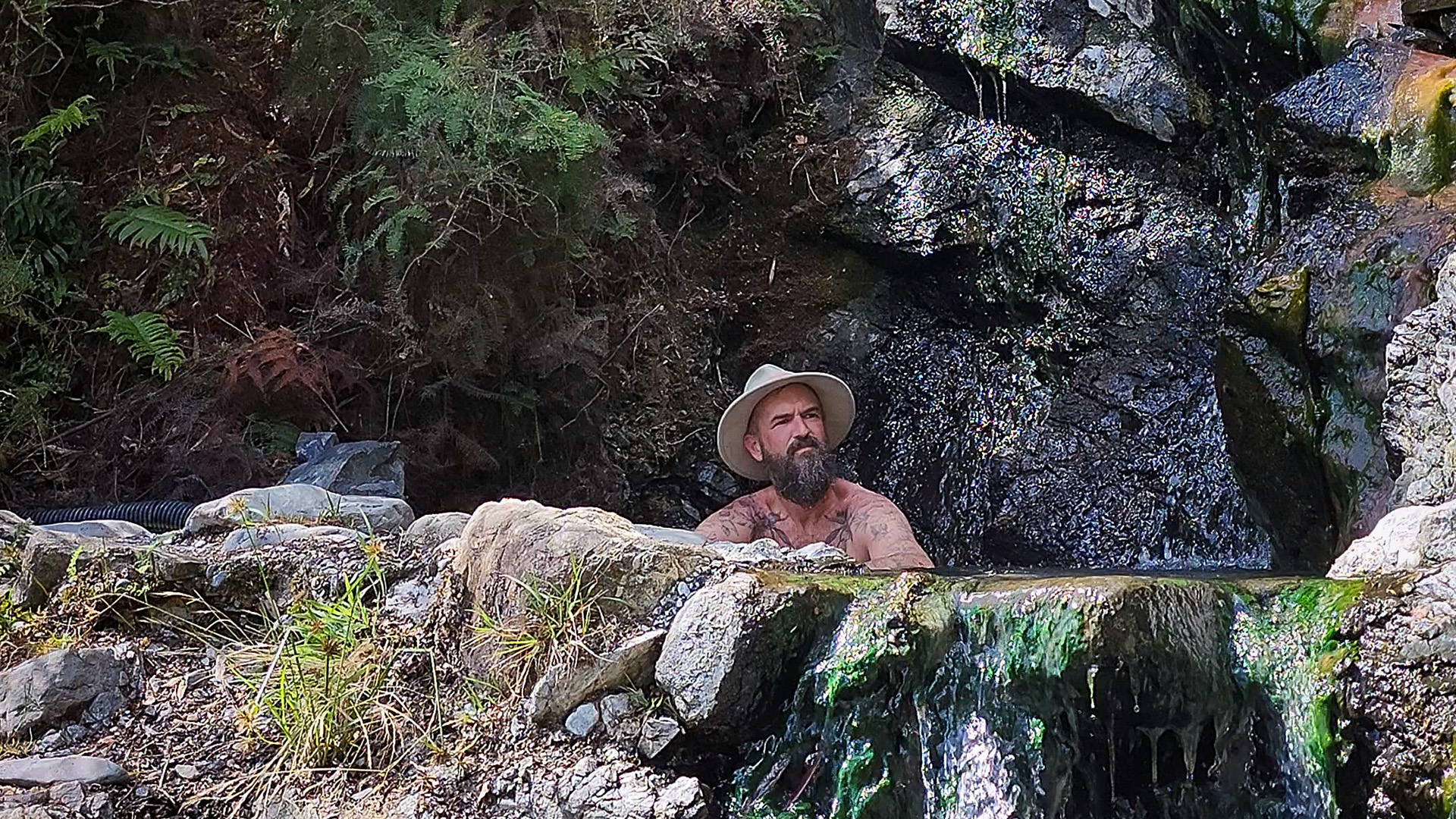
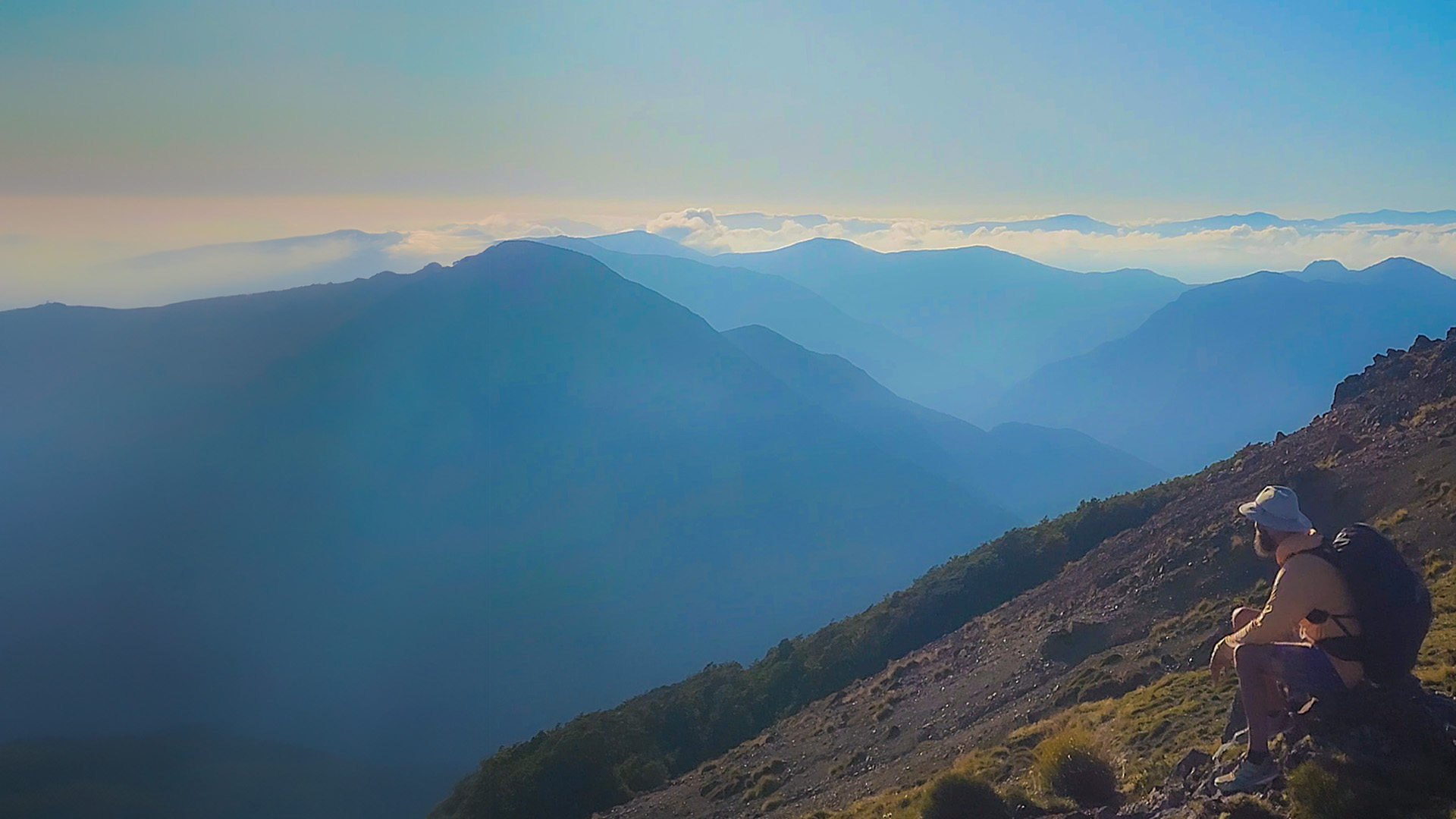
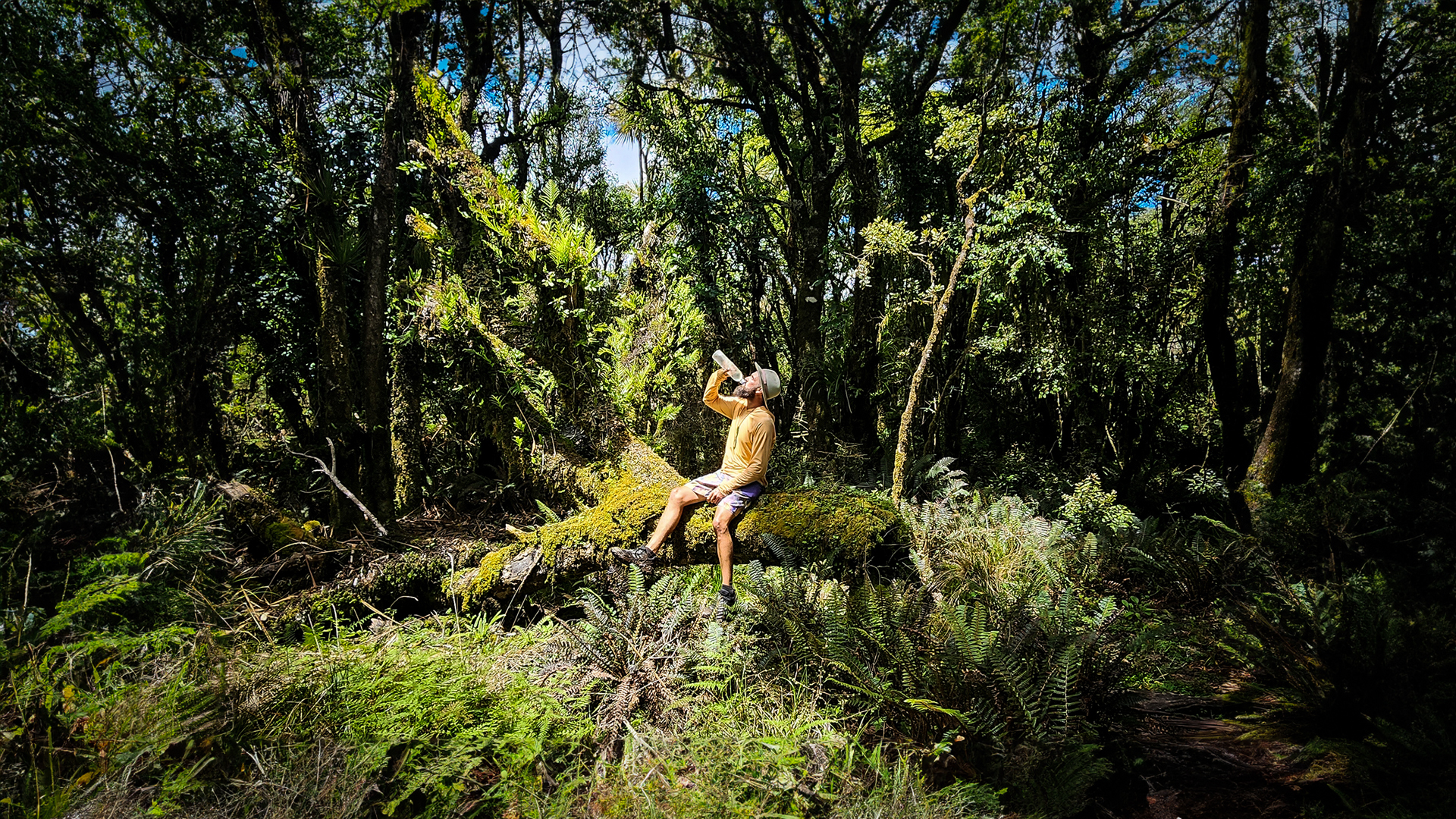
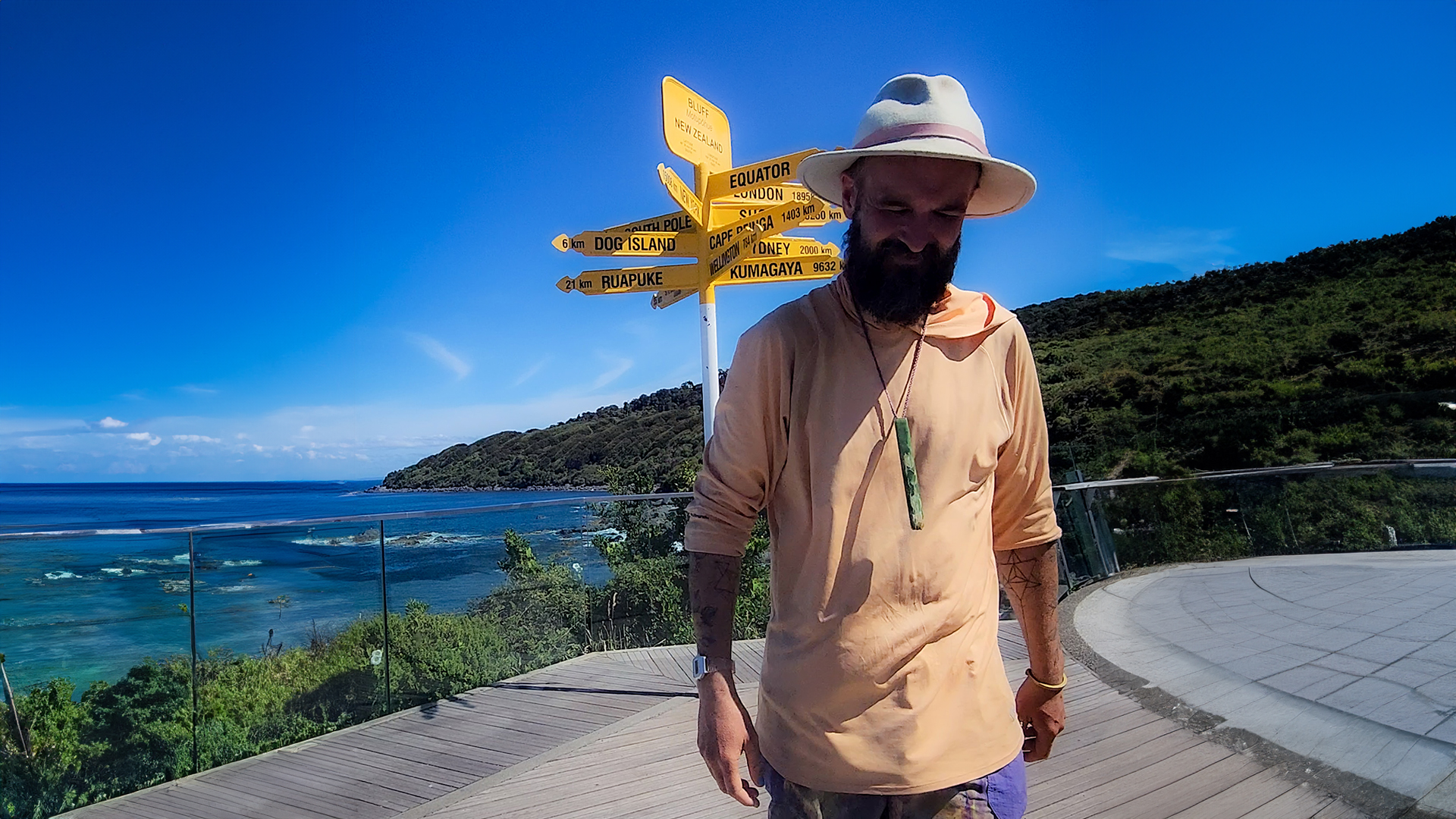
Cape Reinga to Bluff. 3,025 kilometres. Ninety days, ten of them rest days, which works out at 37.8 kilometres a day walking. Most people who thru-hike Te Araroa take four to six months and average about 25.
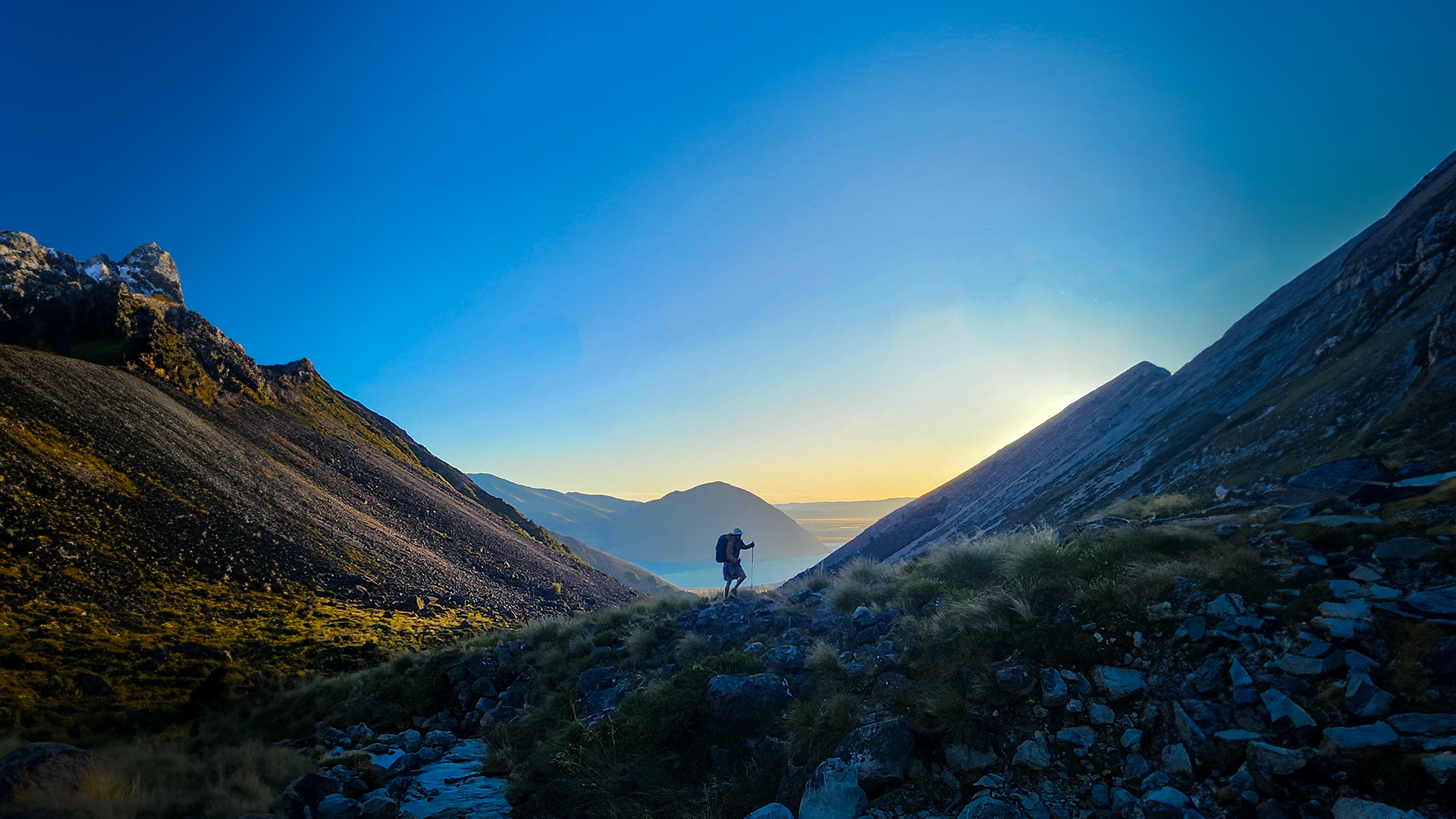
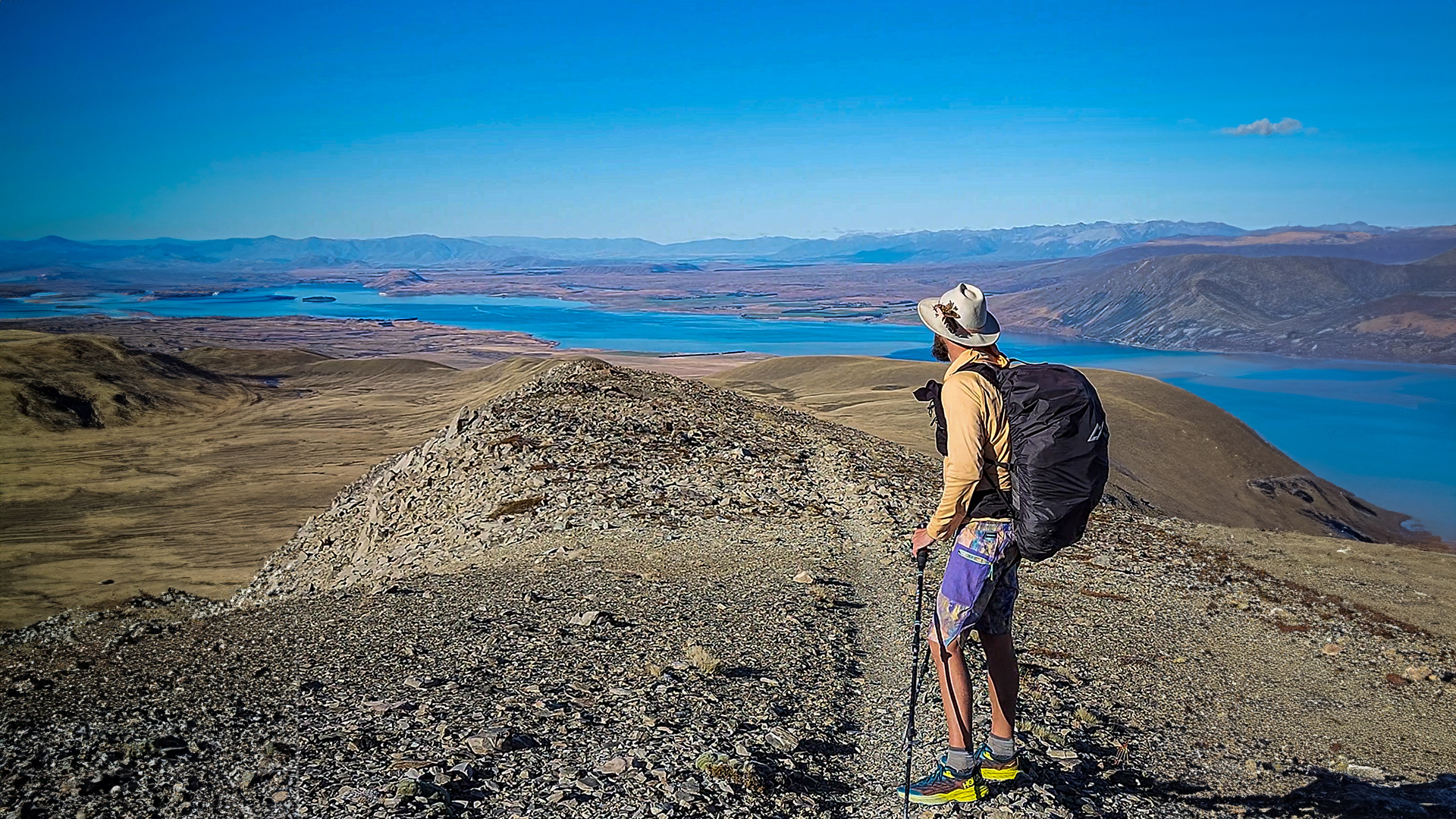
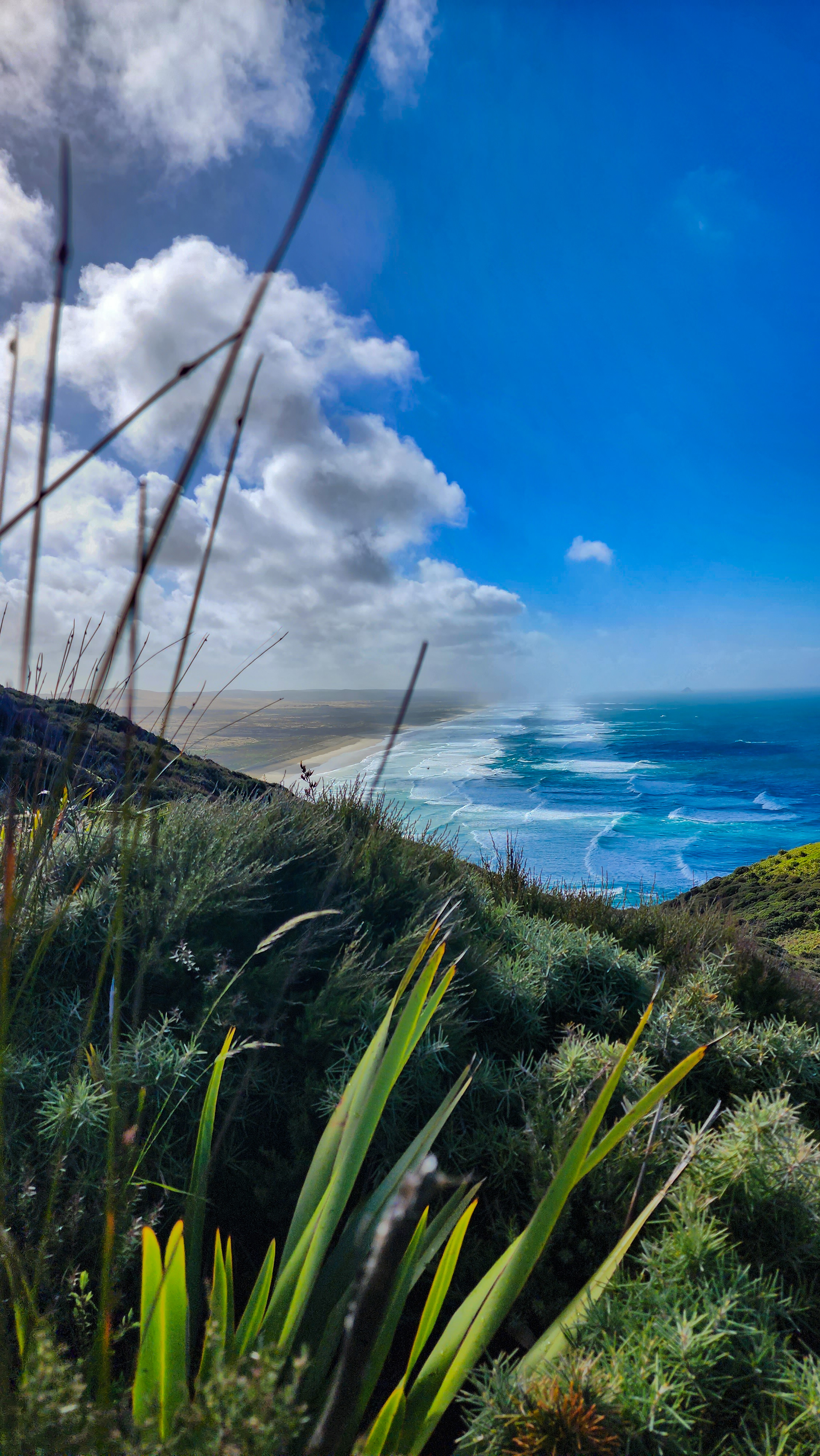
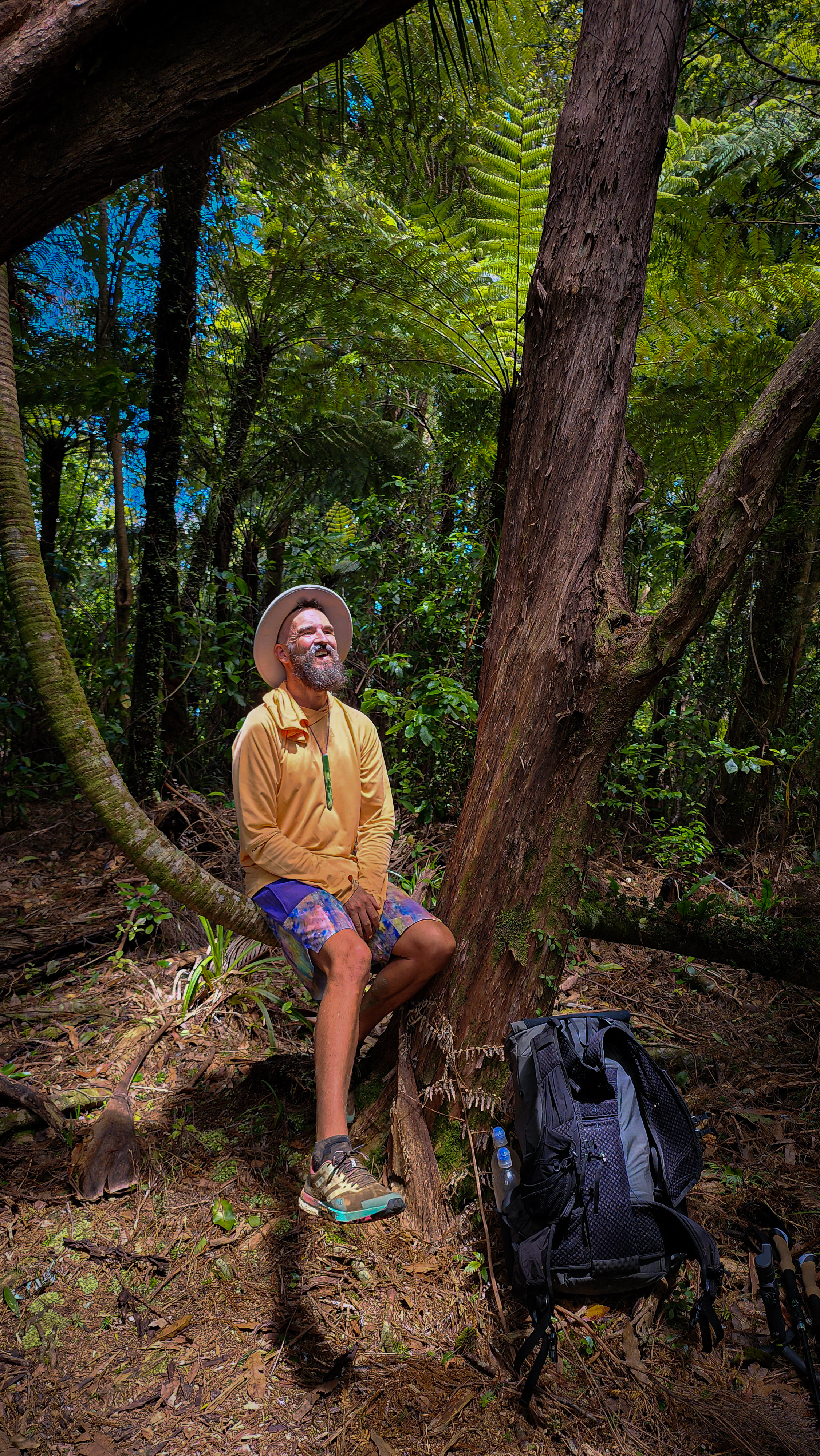
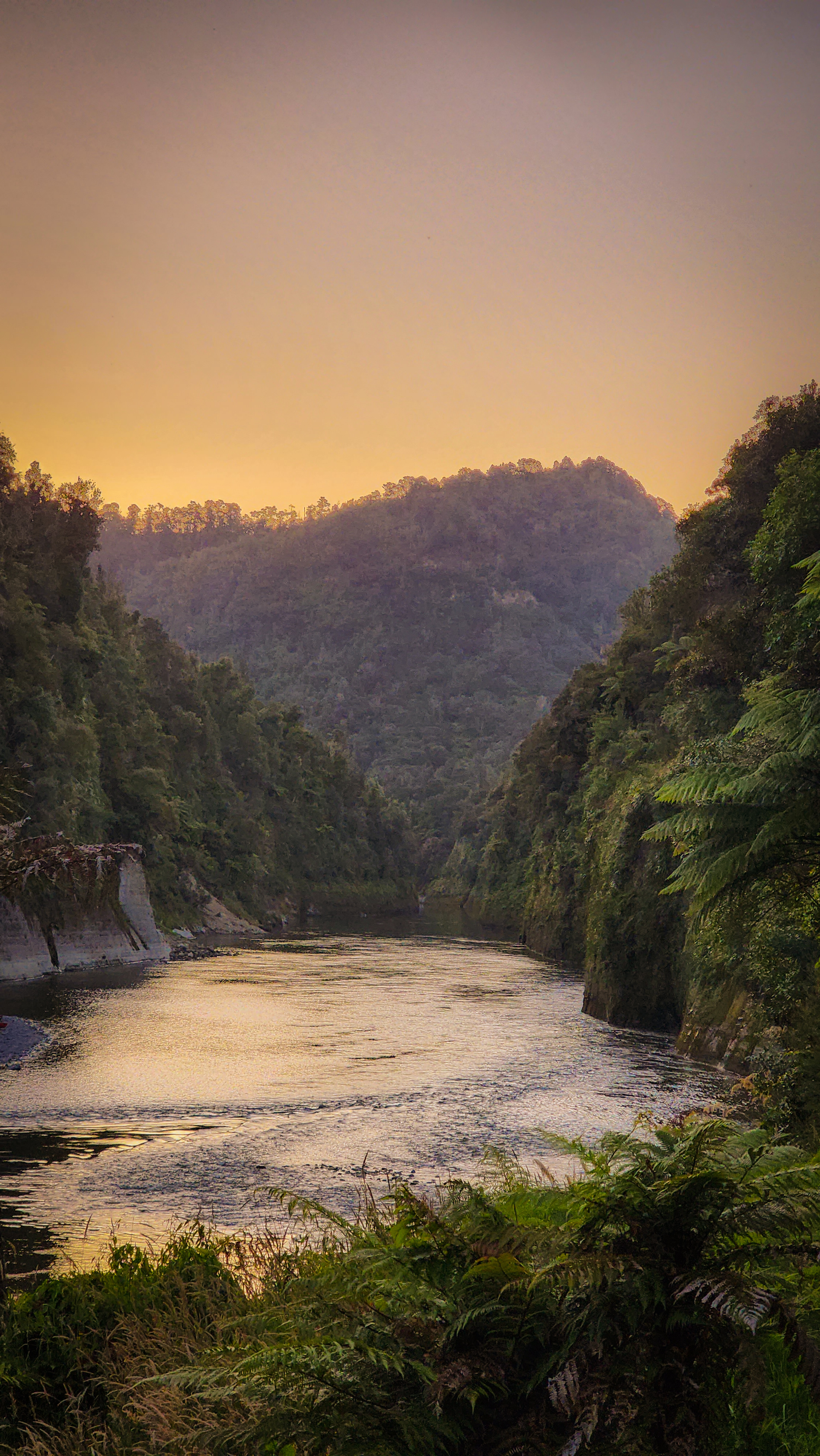
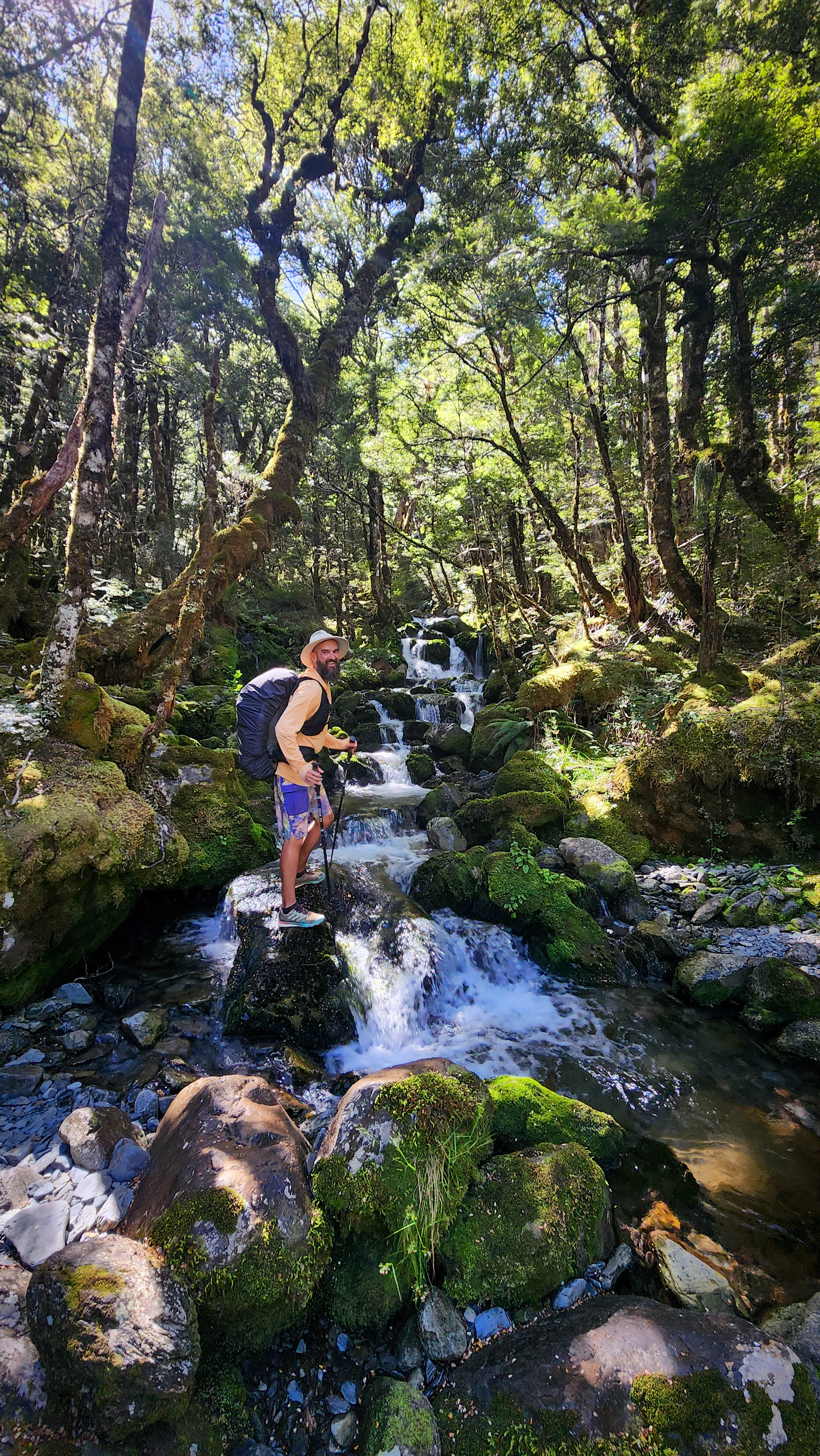
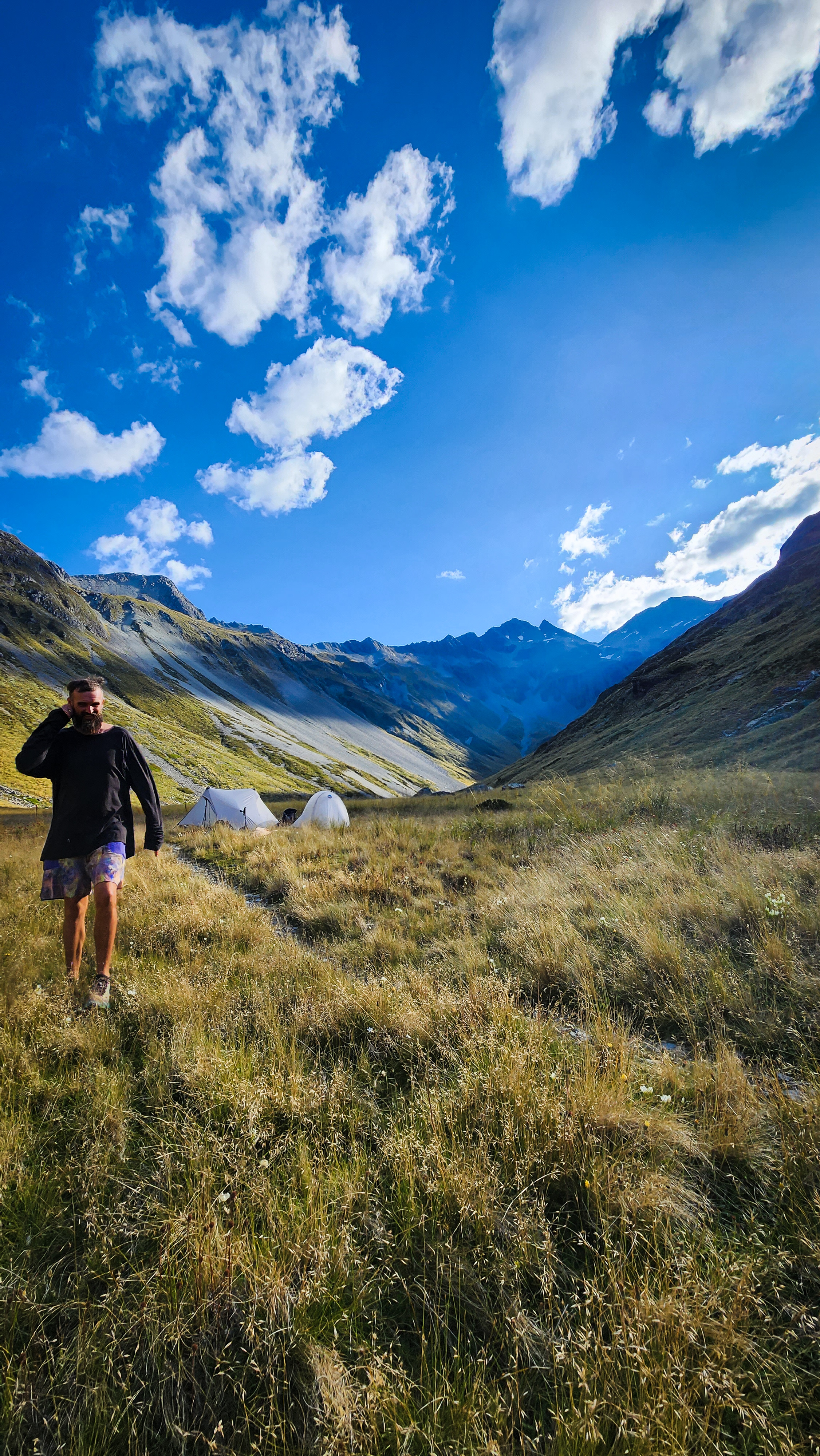
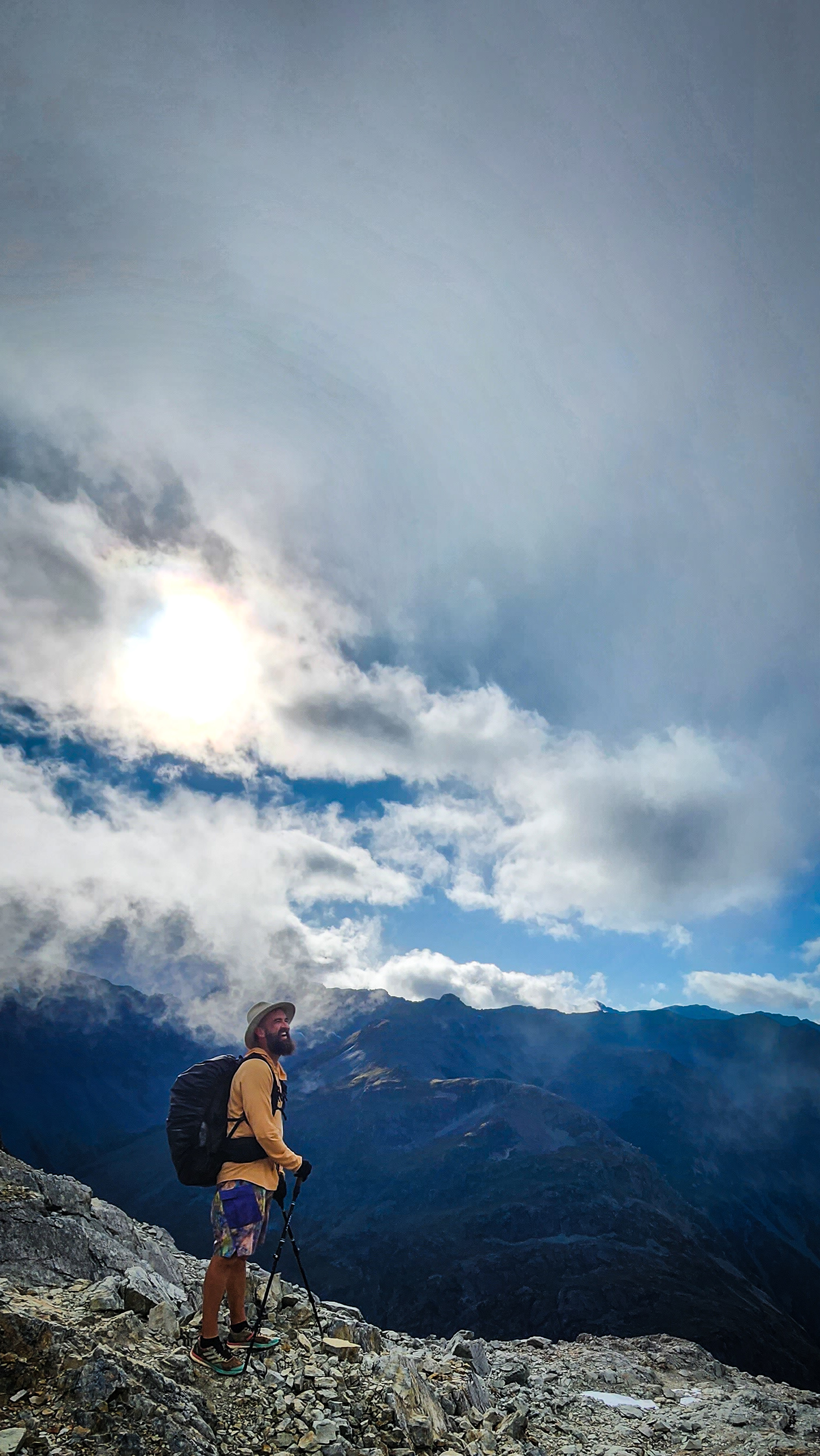
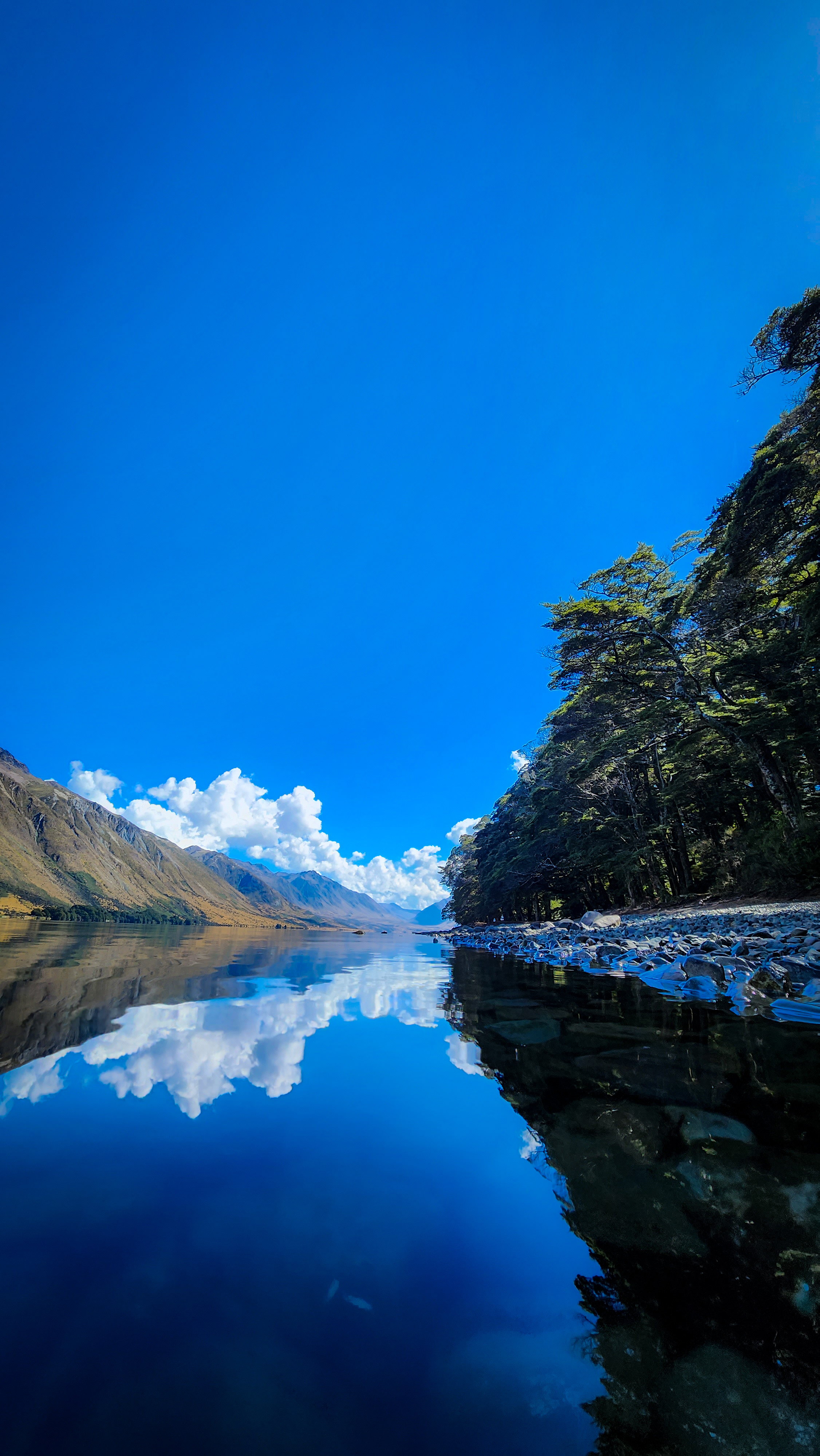
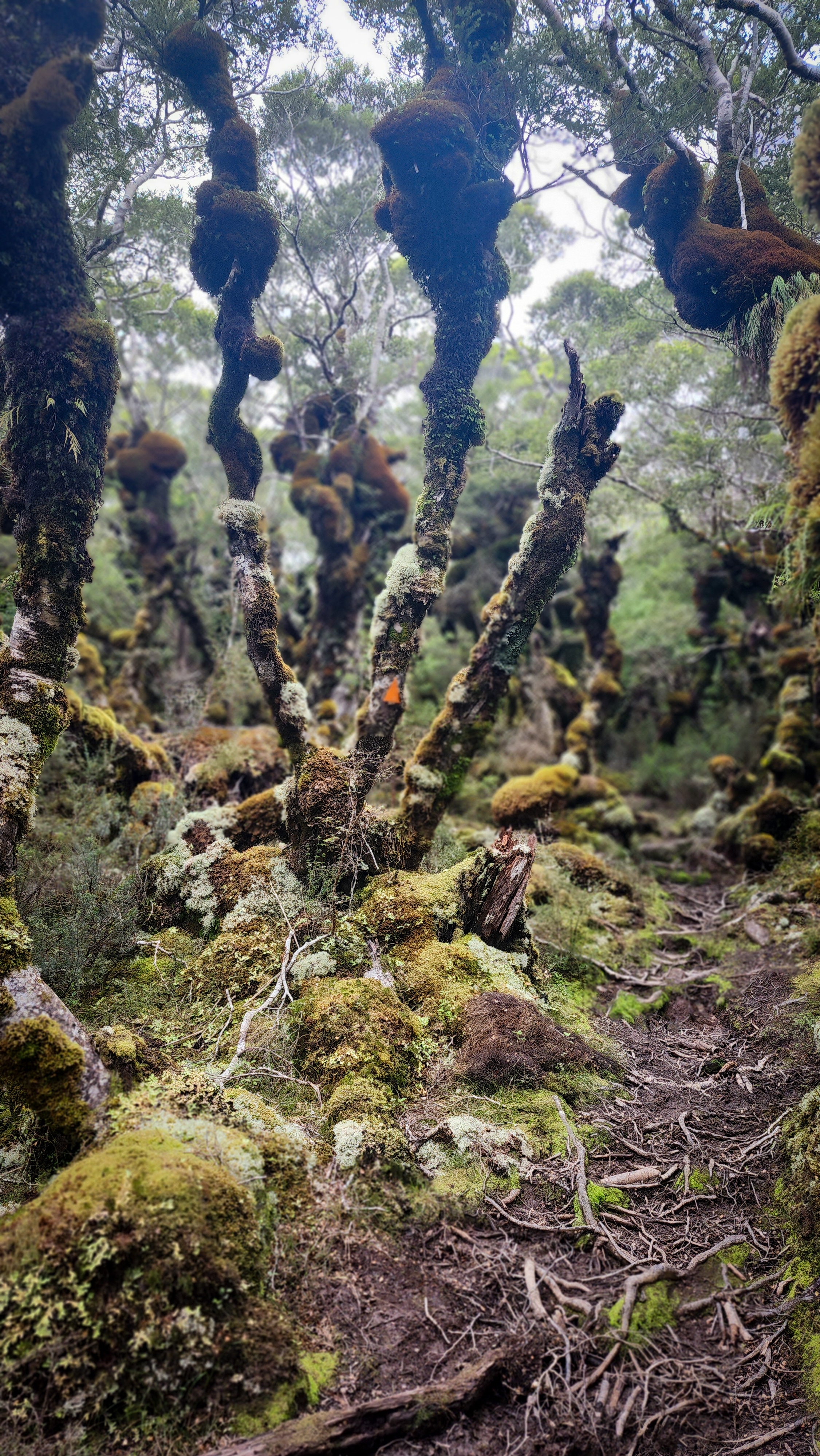
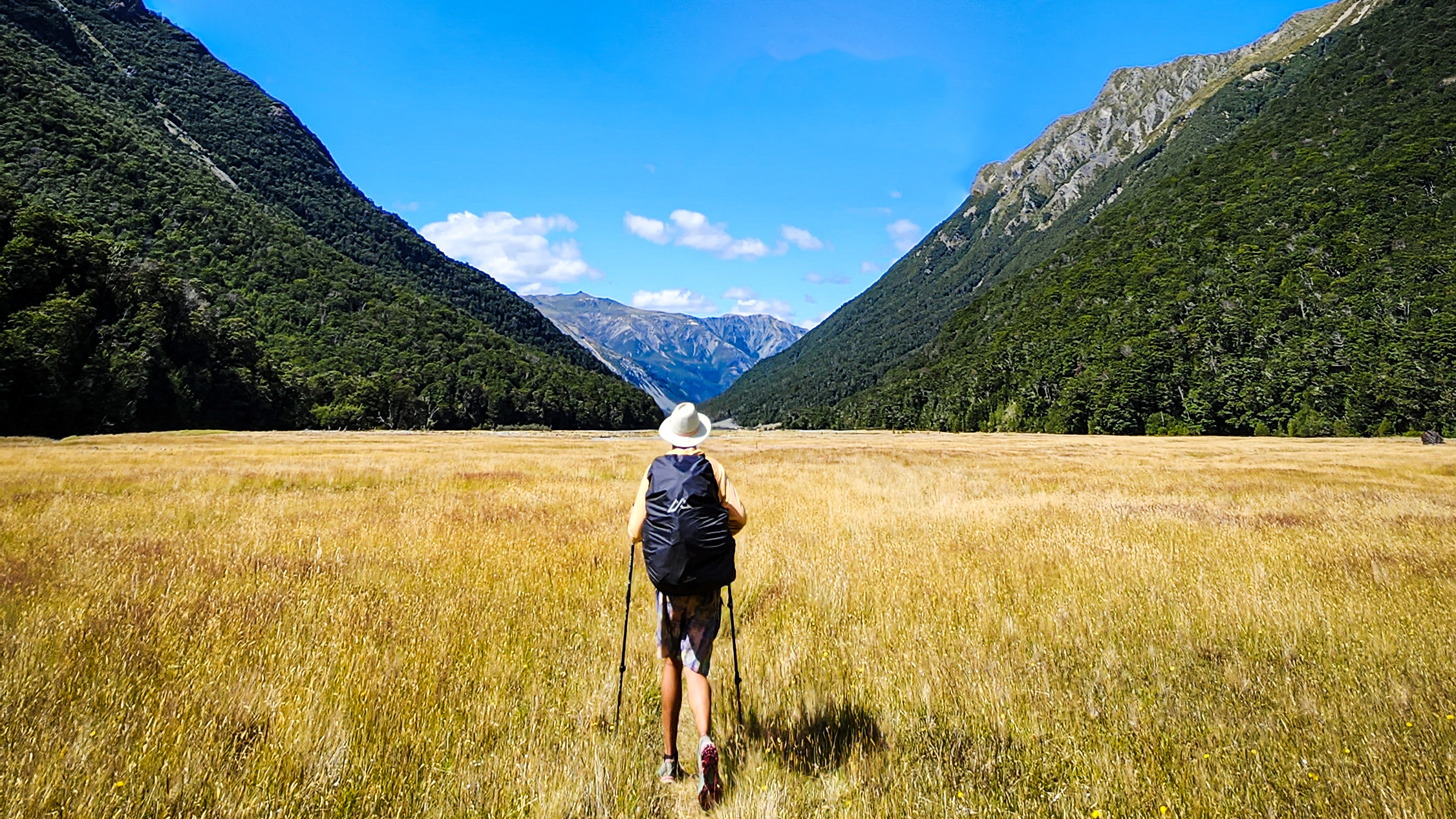
Beaches, forests, farmland, mountains, an unreasonable amount of State Highway 1, and the full spectrum of New Zealand weather. Three pairs of Adidas trail runners, one pair of shorts, all 3,025 kilometres of it. A 6.5 kilogram base weight, which is light enough that other hikers wanted to argue about it.
I walked ninety percent of it alone.
The other ten percent is the part that mattered. I ran a live tracker so anyone could find me and walk with me. Any distance, no booking, no fee, no reason required.
85 people came and walked with me.
A physio pulled over outside Mangawhai because he had heard my Achilles was giving me grief, and worked on it at the side of the road. A woman brought me a ginger beer on a beach. A bloke found me in the middle of a forest and walked the afternoon with me. A fifth of my nights were spent in beds belonging to strangers who decided I should not be in a tent that evening.
Almost none of them knew me but all of them turned up so that they could connect with me.
What 3,025km Actually Teaches You
That it is not connection we need. It is re-connection. We were all connected once and somehow mislaid it.
And that you cannot be argued into it. You have to be put in a position where it happens to you. Every good thing on that trail arrived because I was slow, visible and available; three conditions modern life is specifically engineered to eliminate. We optimise for fast, private and busy, then act surprised when nobody knows us.
The hardest part of the walk was never the mountains. It was getting up and going again, every day, by myself. Which is also, as it happens, the hardest part of most people’s lives, and nobody puts that on a poster.
What I Do With It Now
Walking Home became Connection Is The Cure, which is the talk organisations book when their people are technically fine and quietly falling apart. Engagement scores are alright. Nobody is resigning. And nobody actually knows anybody.
I did not walk the length of New Zealand to prove I could. I walked it to find out what happens when you make yourself available to strangers for ninety days straight. What happens is 85 of them turn up, and none of it required an app.
Te Araroa
The trail is maintained largely by volunteers and deserves your money considerably more than I do.
FAQ
How long is the Te Araroa Trail?
Approximately 3,000 kilometres, Cape Reinga at the top of the North Island to Bluff at the bottom of the South. Mine came in at 3,025km. The exact figure moves as sections get rerouted.
How long does it take to walk the length of New Zealand?
Most people take four to six months. I did it in 90 days including ten rest days, an average of 37.8 kilometres per walking day. I would not particularly recommend that pace unless you have a reason for it.
Which direction should you walk it?
Southbound. Start at Cape Reinga in spring and you follow the good weather down the country instead of arguing with it. Northbound is ok, but I do not envy anyone doing it.
What shoes?
Three pairs of Adidas trail runners. Not boots. Trail runners are the single most contested topic in thru-hiking and I am firmly on the light-and-fast side of it; your feet get wet either way in New Zealand, and lighter shoes dry faster and wreck your legs less.
What did you carry?
A 6.5 kilogram base weight, meaning the pack with no food, water or fuel in it. That is light. Most people walking Te Araroa carry considerably more, and going light is the biggest favour you can do yourself. You Don't need as much as you think.
What was the best gear you took?
Walking poles, easily. Then a wide-brimmed hat, because the New Zealand sun is genuinely trying to kill you, and a battery bank so I always had a phone/camera that worked.
What did you not need?
Long pants. I ditched them not long after the start and did the entire 3,025 kilometres in one pair of shorts.
Where do you sleep?
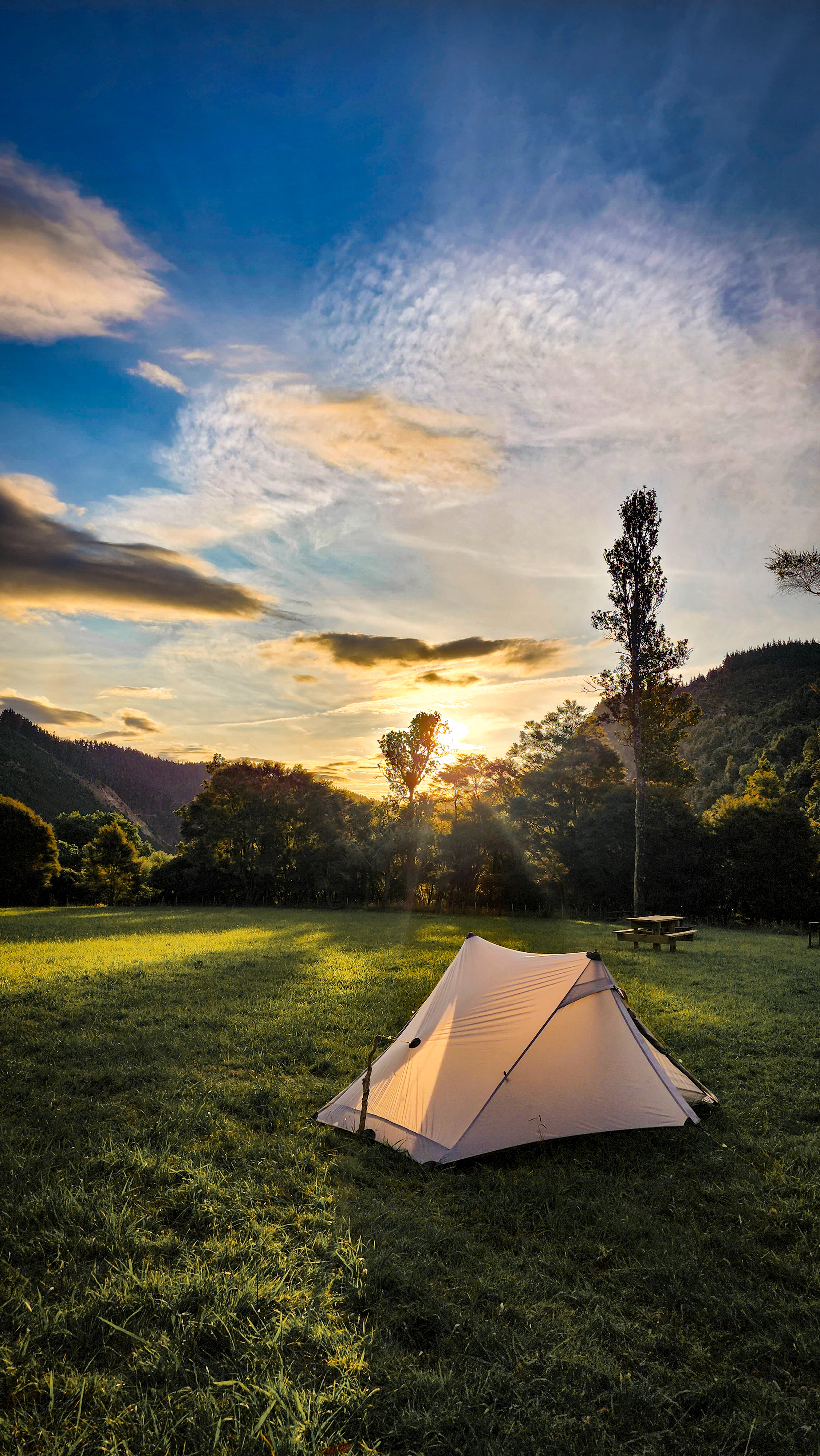
Roughly 45 percent in a tent, 35 percent in alpine huts, and 20 percent in beds offered by kind strangers. That last number is the whole point of the walk expressed as a statistic.
What do you eat?
Dehydrated meals, salami wraps, nuts and chocolate. Then absolutely disgraceful behaviour in every town I passed through. Anyone who tells you thru-hiking is a health kick has not done one.
Did you get injured?
Nothing serious. Achilles soreness, which a physio fixed at the side of the road outside Mangawhai after hearing I was struggling. That is the only real complaint I have, over ninety days.
Did you walk the whole thing?
Not every single step. A storm closed three separate routes and State Highway 1 in the far north, so I hitched around a 55 kilometre forest section rather than wait a week. Thru-hiking purists walk every step and I respect that. I was 43, impatient, and had a schedule.
Did you walk alone?
About ninety percent of it. 85 people came out and walked sections with me, which was the entire reason for doing it in public with a live tracker.
What was the hardest part?
Getting up and going again, every day, by yourself. Not the mountains, not the weather, not the distance. The repetition, alone.
Would you do it again?
Parts of it, yes. Not all of it. There are sections of Te Araroa that are genuinely boring and anyone who tells you otherwise is selling something.
What I Do With It Now
Walking Home became Connection Is The Cure, which is the talk organisations book when their people are technically fine and quietly disinterested. Engagement scores are alright, nobody is resigning but people just aren’t quite at their best.
I did not walk the length of New Zealand to prove I could, I walked it to find connection with myself, the land and all the people that wanted to connect with me as well…